Soft, fudgy and deeply connected to Brazilian celebrations, the brigadeiro is much more than a chocolate truffle. Discover how it is made, why it carries a military title and what we really know about its curious political history.
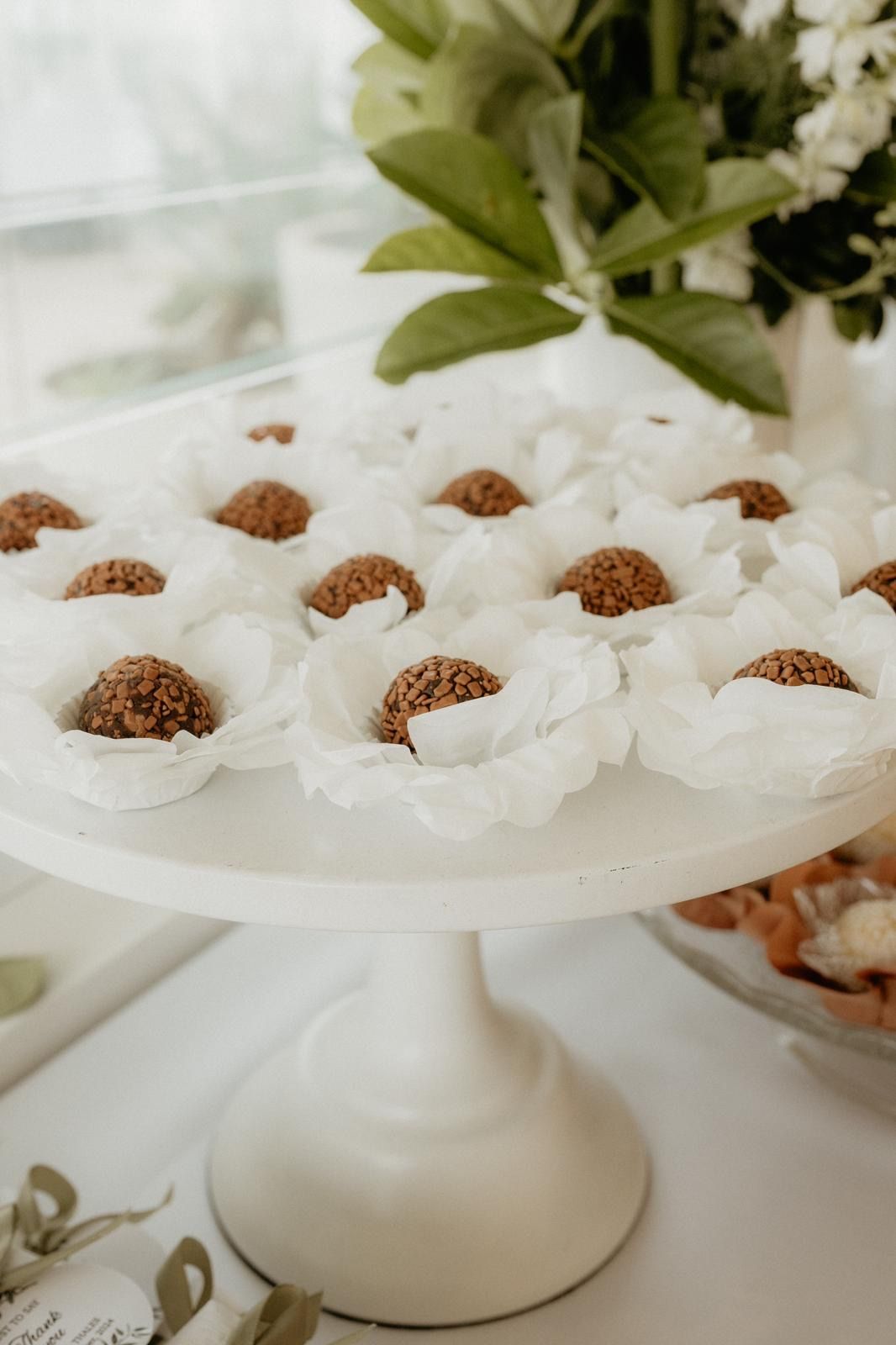
It may look like a chocolate truffle. But take one bite and you will discover something quite different: soft, fudgy, intensely chocolatey and just a little chewy.
This is the brigadeiro—a small Brazilian sweet with a remarkably big place in the country’s culture.
It is a party favourite, a childhood memory and, according to Brazil’s most famous version of the story, the unexpected survivor of a failed presidential campaign.
So, what exactly is a brigadeiro?
A classic brigadeiro is made by cooking sweetened condensed milk, butter and cocoa or chocolate together until the mixture becomes thick and glossy.
Once cooled, it is rolled by hand into small balls and traditionally finished with chocolate sprinkles. Other coatings can include cocoa, coconut or crushed nuts.
In other words: it resembles a truffle, but a brigadeiro is very much its own experience.
The sweet that entered politics
The word brigadeiro is also a Portuguese military rank: brigadier.
The best-known origin story takes us to Brazil’s 1945 presidential election. One of the candidates was Air Force Brigadier Eduardo Gomes. According to the story, women supporting his campaign prepared and sold chocolate sweets to raise funds. They became known as docinhos do Brigadeiro—“the Brigadier’s little sweets”—and eventually simply as brigadeiros.
Eduardo Gomes lost the election to Eurico Gaspar Dutra. The sweet bearing his title, however, proved far more successful.
But is that story completely true?
Here is where the history becomes even more interesting.
The association with Eduardo Gomes is widely repeated, but historians have not established exactly who invented the sweet—or whether it was first created for the campaign.
In a critical study of early recipes and contemporary newspapers, historian Pedro von Mengden Meirelles found no coverage from the 1945 campaign directly connecting the sweets with Gomes. He suggests that a similar confection may have emerged during the second half of the 1940s and then acquired the candidate’s title.
The study found a published recipe called “Brigadeiro” in the Brazilian magazine O Cruzeiro on 30 April 1949. Interestingly, the writer presented it without explaining the name, suggesting readers may already have known the sweet.
The responsible version of the story, then, is this: the brigadeiro became established in postwar Brazil, its name is strongly associated with Eduardo Gomes, but the precise moment of invention remains uncertain. You can read the historian’s full analysis in the
Federal University of Rio Grande do Sul journal Aedos.
Three ingredients—and plenty of technique
The ingredient list may be short, but a beautiful brigadeiro still requires care.
The mixture must be stirred continuously as it cooks. Remove it too soon and it will not hold its shape. Cook it too long and it can become hard and overly chewy.
At the right moment, the mixture begins to pull away from the pan. It is then cooled, shaped by hand and coated before being placed into a small paper case. An
SBS brigadeiro recipe shows just how simple the ingredients appear—and why the cooking method matters.
It is a wonderful example of something Brazilian cooking does so well: transforming a few familiar ingredients into something distinctive.
Why brigadeiros matter in Brazil
In Brazil, brigadeiros are closely associated with birthdays, parties and special gatherings. Plates of the small sweets are traditionally arranged in colourful paper cases, ready for guests to pick up and enjoy.
For many Brazilians, their significance is emotional as much as culinary. They are connected with childhood celebrations, family kitchens and the temptation to taste the chocolate mixture before it has even left the pan.
As one Brazilian chocolatier told
SBS Food, brigadeiros are ingrained in Brazilian culture and have long been a staple of celebrations.
Their size is part of their charm. A brigadeiro is just a bite or two: easy to share, easy to serve and rich enough to be remembered.
From birthday favourite to gourmet confection
The classic chocolate-and-sprinkles version remains deeply loved, but brigadeiros have also entered the world of artisan confectionery.
Contemporary makers use premium cacao and dark chocolate or create flavours involving coconut, dulce de leche, spices and other imaginative ingredients. Brigadeiro mixtures also appear in cakes and elaborately filled Brazilian Easter eggs.
The presentation may become more refined and the flavours more adventurous, but the essential idea remains the same: a small, hand-finished sweet created to be shared.
A little taste of Brazil
Perhaps that is the best way to understand a brigadeiro. It is not simply Brazil’s version of another chocolate sweet.
It is a distinctly Brazilian creation: uncomplicated but carefully made, intensely enjoyable and inseparable from the experience of gathering with other people.
And although its presidential candidate never reached office, the brigadeiro earned a place at the party.
Would You Like to Try Brigadeiros at Your Event?
Bring an unexpected taste of Brazil to your next gathering. Speak with Lafine Catering about Brazilian-inspired sweets and a menu created especially for your guests.